Benchmarks lie. Deployments don’t.
Everything I write about models — single-model reviews, performance notes from real workloads, and head-to-head matchups. Scored on what matters in production, updated as models ship.
| Model family | Strongest at | Long context | Cost tier | My one-line verdict |
|---|---|---|---|---|
| Claude | Complex reasoning, code, agentic work | Excellent | $$$ | The default for high-stakes reasoning and agents. |
| GPT | Breadth, ecosystem, multimodal | Very good | $$$ | Widest tooling surface; strong generalist. |
| Gemini | Native multimodal, huge context | Excellent | $$ | Best when video/context volume is the problem. |
| Llama | Open weights, on-prem control | Good | $ | The compliance-friendly self-host answer. |
| DeepSeek / Mistral | Cost-efficient reasoning | Good | $ | Where the price-performance frontier lives. |
Qualitative tiers from my own deployment evals, not vendor benchmarks. Snapshot: July 2026.
Review
2.8 Trillion Parameters, Free to Download: Inside Moonshot AI's Kimi K3
Kimi K3 packs 2.8 trillion parameters but activates only 104 billion per token — and Moonshot AI put the full weights on Hugging Face eleven days after announcing it.
3 reads

Matchup
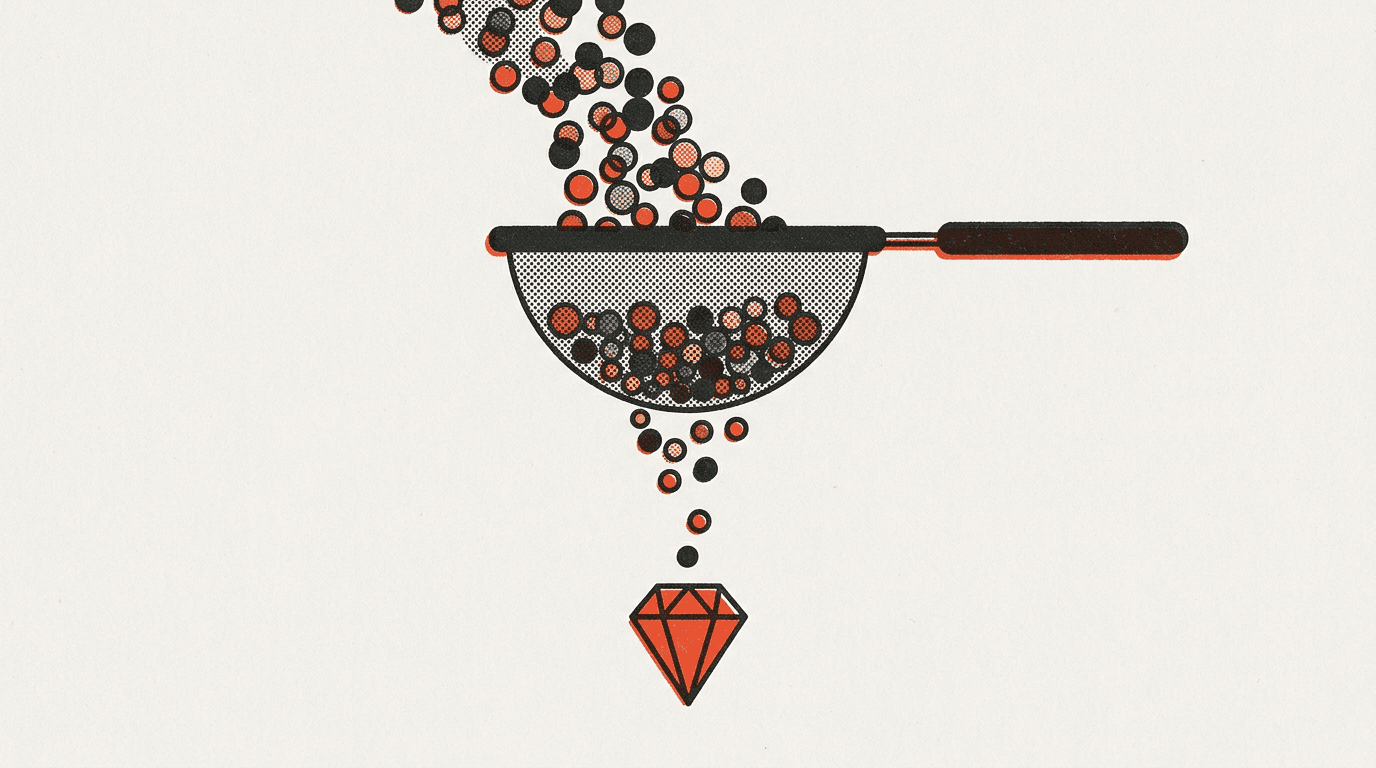
Qualifying Claude Opus 4.8: From Shadowing to Go/No-Go Decision
Anthropic's Claude Opus 4.8 is out, but with no official benchmarks or release notes, upgrading is a gamble. This article provides a complete framework for safely qualifying the new model using shadow traffic, custom evaluation metrics, and a data-driven go/no-go decision.
2 reads
Performance note
Gemini 3.1 Pro: Is a 1M Token Window Worth a Blind Upgrade?
Google's Gemini 3.1 Pro was released in February 2026 with a 1M token context window but few performance details. This article provides a production-focused framework for deciding whether to upgrade your AI stack to a new model when vendor benchmarks are missing.
1 reads

Performance note
Claude's 1M Tokens & 90% Recall: What It Solves, What It Doesn't
Anthropic's Claude Opus 4.6 offers a 1M token context window, but its real value lies in its claimed 90% recall. This article explores when this massive context replaces RAG and when it's an expensive distraction.
1 reads

Performance note
Codex-Max and the $100+ Mistake 24 Hours In
GPT-5.1-Codex-Max can code autonomously for over 24 hours, but this power introduces new risks. This article explores the economics of long-horizon tasks and how to architect systems that prevent costly, deep-rooted errors.
3 reads
Matchup
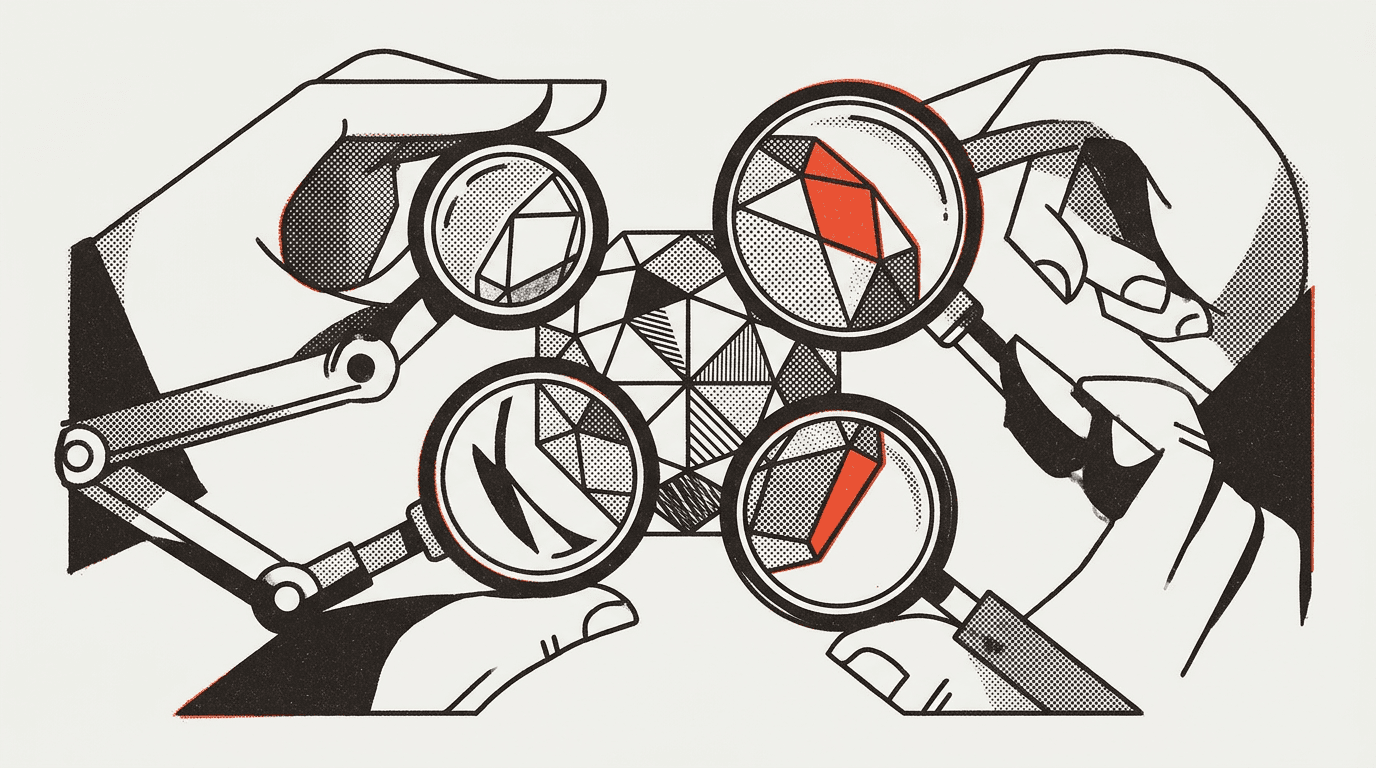
Opus 4.5 vs Gemini 3 Pro: Which Model for Which Workload
Released six days apart in November 2025, Google's Gemini 3 Pro and Anthropic's Claude Opus 4.5 are good at different things. A comparison on the axes that actually decide a stack: coding and agentic work, context handling, cost per unit of work, and provider concentration risk.
2 reads

Review
Claude Opus 4.5 at $5/Mtok: When to Upgrade Your Agent's Brain
Anthropic's Claude Opus 4.5, released November 24, 2025, changes the economics of using frontier models. This architectural review explores how its $5/$25 per million token price point forces a redesign of model routing logic, especially for complex agentic workflows.
2 reads